












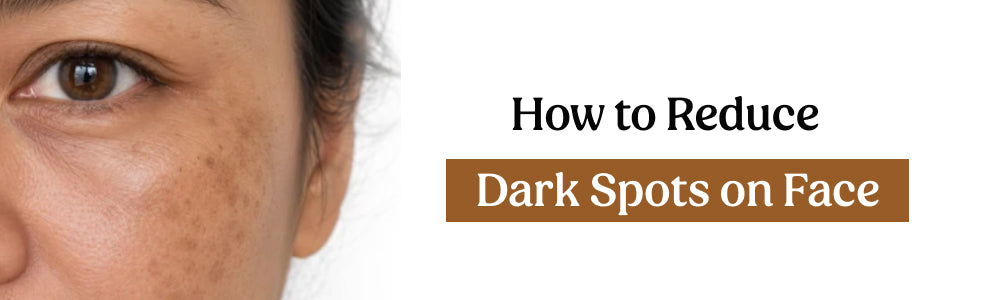
Dark spots can show up almost anywhere, after a breakout, following too much time in the sun, or simply as your skin changes over time. And while they may be harmless, figuring out how to get rid of dark spots on face can feel surprisingly complicated.
The good news? You don't need an overly complicated routine to start addressing them. Understanding what causes dark spots on face, protecting your skin from further pigmentation, and choosing the right brightening ingredients can make your routine much more purposeful.
In this guide, we'll explore the common causes of dark spots on face, how to fade them safely, what actually helps with acne-related pigmentation, and how a consistent brightening routine can support a more even-looking complexion. We'll also look at where a daily brightening serum, such as Vilvah Milk Drops Serum, can fit into your routine.
What Are Dark Spots on the Face?
Dark spots are areas of skin that appear darker than the surrounding complexion because of increased or uneven melanin production. They are commonly referred to as hyperpigmentation.
Dark spots can vary in colour from light brown to deep brown, grey or even blue-grey, depending on their cause and how deeply pigment sits within the skin. They can affect every skin tone, although post-inflammatory hyperpigmentation can be particularly noticeable and persistent in deeper skin tones.
Not every dark spot is the same, which is why identifying the cause is the first step toward choosing the right approach.
Quick answer: The most effective way to get rid of dark spots is to identify and address their cause, use daily broad-spectrum sun protection, and introduce proven brightening ingredients consistently. Dark spots rarely disappear overnight, so patience matters.
What Causes Dark Spots on Face?
Wondering what causes dark spots on face in the first place? Several everyday factors can trigger excess melanin production.
1. Sun Exposure
UV exposure is one of the biggest contributors to pigmentation. Repeated sun exposure can encourage melanin production and make existing dark spots appear darker.
This is why sunscreen isn't simply a daytime skincare extra, it's one of the most important steps when you're trying to fade pigmentation.
2. Acne and Inflammation
Ever noticed a brown mark where a pimple used to be?
That's often post-inflammatory hyperpigmentation (PIH). When inflammation from acne, eczema, an injury or another skin condition settles, the area can be left with excess pigment. In other words, the pimple may be gone, but its "souvenir" can stick around much longer.
3. Skin Injuries
Cuts, burns, insect bites and other injuries can trigger pigmentation as the skin heals. Picking at pimples can also increase inflammation and raise the likelihood of lingering dark marks.
4. Hormonal Changes
Hormonal fluctuations can contribute to pigmentation conditions such as melasma. Pregnancy, certain medications and hormonal changes can all play a role in triggering or worsening facial pigmentation.
5. Irritating Skincare Products
Sometimes, the product intended to improve your skin may actually be contributing to pigmentation if it causes irritation.
If a skincare product consistently burns or stings, it's worth reconsidering it. Irritation can worsen pigmentation, particularly in skin that is prone to post-inflammatory hyperpigmentation.
How to Get Rid of Dark Spots on Face
There isn't one universal solution for every type of pigmentation. The best approach combines prevention, consistent skincare and targeted ingredients.
1. Start With Daily Sun Protection
If you're wondering how to remove dark spots on face, start with sunscreen. UV exposure can deepen existing pigmentation and encourage new spots to form. Dermatologists recommend broad-spectrum sunscreen with at least SPF 30 for pigmentation-prone skin; some evidence also supports protection against visible light, particularly for melasma and skin of colour.
For everyday protection:
- Use broad-spectrum SPF 30 or higher.
- Apply generously to exposed skin.
- Reapply when spending extended time outdoors, especially after swimming or sweating.
- Consider a tinted sunscreen containing iron oxides if pigmentation or melasma is a major concern.
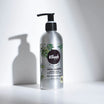
Think of sunscreen as your dark-spot prevention step, because fading pigmentation while repeatedly exposing it to UV is working against yourself. A soothing, brightening sunscreen such as the Vilvah Skin Finish Sunscreen SPF 50+ PA++++ has a weightless, quick-absorb formula that only protects but also helps the skin recover from dark spots and pigmentation.
2. Choose Brightening Ingredients
Once you've addressed sun exposure, targeted skincare can help improve the appearance of existing pigmentation.
Ingredients commonly used for hyperpigmentation include:
- Vitamin C: An antioxidant frequently used in brightening skincare. May not be suitable for those with sensitive or acne-prone skin.
- Niacinamide: Helps improve the appearance of uneven skin tone and is supported by clinical evidence for hyperpigmentation.
- Azelaic acid: Particularly useful for acne-prone skin and post-inflammatory pigmentation.
- Alpha Arbutin: A plant-based anti-pigmentation agent that reduces dark spots, acne marks, and pigmentation safely.
- Retinoids: Can support cell turnover and are used in the management of pigmentation. May not be suitable for those who have sensitive skin or new mothers.
- Kojic acid: Helps target melanin production.
- Glycolic acid and other hydroxy acids: Can support exfoliation and improve the appearance of uneven pigmentation.
Evidence for topical treatments varies by ingredient and condition, but systematic reviews support several of these approaches, particularly alpha arbutin, hydroxy acids and niacinamide.
How to Get Rid of Dark Spots From Acne
Acne-related pigmentation deserves a slightly different approach because you need to manage both the breakout and the resulting marks. Here are some holy grails for keeping those pesky blemishes away:
1. Don't Pick or Squeeze Your Pimples
It can be tempting, but picking increases inflammation and can cause additional skin injury, both of which can contribute to post-inflammatory hyperpigmentation.
2. Treat Active Acne
If new breakouts keep appearing, new dark marks may continue to form even while older ones fade. Addressing the underlying acne is therefore an important part of managing acne-related pigmentation.
3. Keep Your Routine Gentle
Over-exfoliating or layering too many active ingredients can irritate the skin and potentially make pigmentation worse. Instead, introduce one targeted ingredient at a time and give your skin time to adjust.
There are also many natural remedies for dark spots, which you can dive deep into and try for yourself.
4. Don't Skip Sunscreen
Daily sun protection helps prevent post-acne marks from becoming darker and supports the overall treatment of pigmentation.
How Can a Brightening Serum Help With Dark Spots?
A simple, natural face care routine for healthy skin is the easiest way to kick start your skin health journey. A brightening serum can be a useful middle step between cleansing and moisturizing. Its purpose is to deliver targeted ingredients in a concentrated, leave-on formula.
For people dealing with dullness and uneven-looking skin tone, incorporating a serum consistently can make a routine more targeted without adding multiple complicated products.
Why Consider Vilvah Milk Drops Serum?
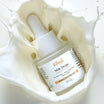
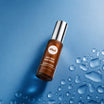
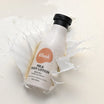
Vilvah Milk Drops Serum can be incorporated into a brightening-focused routine when your goal is to improve the appearance of dullness and support a more even-looking complexion.
Its lightweight serum format makes it easy to layer into an everyday routine, while its milk-based formulation fits Vilvah's approach to gentle, skin-focused care.
Rather than thinking of a brightening serum as something that should change your natural skin colour, think of it as a step designed to help your complexion look clearer, more radiant and more even.
A Simple Routine to Fade Dark Spots
You don't need a 10-step routine to get started. You only need a couple of products for dark spots on face and for overall brightening. Here is a simplified step-by-step routine, as recommended by most skincare experts:
Your AM Routine:
1. Cleanse
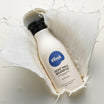
Use a gentle cleanser suited to your skin type. We recommend something natural, balancing, and marks-reducing such as Vilvah’s Milk Powder Face Wash made with rice milk powder and papain enzymes.
2. Brightening Serum
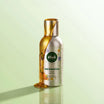
Apply your chosen serum, such as the Vilvah Milk Drops Serum, according to its directions. Enriched with rice milk extract and alpha arbutin to reduce spots and marks.
3. Moisturize
Use a moisturizer that supports your skin barrier. Choose a rich moisturizer for dry skin and a light, gel-like moisturizer for oily skin.
4. Sunscreen
Finish with broad-spectrum SPF 30 or higher. We recommend something super-easy to apply like the Vilvah Skin Finish Sunscreen with a weightless, hydrating, and soothing formula.
Your PM Routine:
1. Cleanse
Remove sunscreen, makeup and daily buildup with a non-stripping, balancing cleanser.
2. Targeted Treatment
Use your brightening serum or another targeted treatment suited to your skin concerns. If you are over 30, you might benefit from using an anti-ageing serum such as the Vilvah Better Ageing Serum with Bakuchiol and Blue Pea Flower extract, a perfect alternative to retinol.
3. Moisturize
Keep the routine focused on maintaining a comfortable, supported skin barrier. A thick moisturizer before bed time helps seal all the goodness of your skincare routine.
The goal isn't to use every possible active. It's to find a routine your skin tolerates and that you can follow consistently.
How Long Does It Take to Get Rid of Dark Spots?
If you're searching for how to get rid of dark spots, it's important to set realistic expectations.
Dark spots don't usually disappear in a few days. Once the trigger is addressed, superficial pigmentation may gradually fade over months, while deeper pigmentation can take considerably longer.
The American Academy of Dermatology notes that some dark spots may take 6-12 months to fade naturally, depending on their depth and cause.
Consistent sunscreen and appropriate treatment can help speed improvement, but patience is still part of the process.
And remember: preventing new pigmentation is just as important as fading existing marks.
What Not to Do When Trying to Remove Dark Spots
When results aren't immediate, it's easy to reach for stronger and stronger products. That's often where skincare can go wrong. Here are some of the things you must stay away from:
1. Don't Over-Exfoliate
More exfoliation doesn't necessarily mean faster results. Excessive irritation can make pigmentation harder to manage.
2. Avoid Unverified "Instant Whitening" Products
Some unregulated products marketed for rapid skin lightening have been found to contain undeclared ingredients such as steroids or mercury. These can cause significant skin and health problems.
3. Never Use Household Bleach
It may sound obvious, but household bleach should never be used on the skin. It is harmful and is not a safe pigmentation treatment.
4. Don't Change Your Entire Routine at Once
Introducing several strong actives simultaneously makes it difficult to identify what's working, and increases the risk of irritation.
When Should You See a Dermatologist?
Not every dark spot is simply pigmentation. Consider seeing a dermatologist if a spot:
- Changes in size, shape or colour.
- Bleeds or becomes painful.
- Develops suddenly without an obvious cause.
- Doesn't respond to appropriate skincare.
- Keeps returning or rapidly multiplying.
- Is accompanied by other unusual skin changes.
A dermatologist can determine whether you're dealing with post-inflammatory hyperpigmentation, melasma, another pigmentation condition or something that requires further evaluation.
Conclusion: Fading Dark Spots Starts With Understanding Your Skin
Figuring out how to get rid of dark spots on face starts with understanding why they appeared in the first place. Acne, sun exposure, inflammation, hormonal changes, injuries and irritating products can all contribute to pigmentation—and each may require a slightly different approach.
The most important habits are surprisingly simple: protect your skin from the sun, keep your routine gentle, choose evidence-supported brightening ingredients, and stay consistent.
If dullness and uneven-looking skin tone are your primary concerns, adding a brightening serum such as Vilvah Milk Drops Serum can give your routine a targeted treatment step. Pair it with daily sunscreen and a skin-friendly routine, and give your skin the time it needs.
Because when it comes to dark spots, the goal isn't to change your natural skin tone, it's to help your skin look healthier, clearer and more radiant in its own skin.
Frequently Asked Questions About Dark Spots
1. What is the fastest way to get rid of dark spots on face?
There isn't a single overnight solution. The most effective approach depends on the cause and usually combines daily sun protection with targeted ingredients and treatment of the underlying trigger. A dermatologist can recommend stronger treatments when appropriate.
2. How can I remove dark spots on face naturally?
Gentle skincare and consistent sun protection are safer starting points than DIY remedies. "Natural" does not automatically mean non-irritating, so avoid applying acidic or abrasive kitchen ingredients directly to your skin.
3. How do you get rid of dark spots from acne?
Start by controlling active acne, avoid picking or squeezing breakouts, use daily sunscreen, and consider targeted ingredients such as azelaic acid, retinoids, niacinamide or other evidence-supported brightening ingredients.
4. Does sunscreen help dark spots?
Yes. Sunscreen helps prevent UV-related darkening and can support the treatment of existing pigmentation. For some pigmentation conditions, particularly melasma, protection against visible light may also be beneficial.
5. Can a serum remove dark spots?
A well-formulated serum can help improve the appearance of pigmentation over time, depending on its ingredients and the cause of the dark spots. It should be used alongside sun protection rather than as a replacement for it.
6. Is Vilvah Milk Drops Serum good for dark spots?
Vilvah Milk Drops Serum is formulated as a brightening serum to help address dullness and support a more even-looking complexion. For persistent or significant pigmentation, especially melasma or unexplained spots, professional dermatological advice is recommended alongside skincare.
7. How do I get rid of dark spots permanently?
There is no guarantee that dark spots will never return. Managing the underlying cause, protecting your skin from UV and visible light, and maintaining a consistent skincare routine can help reduce recurrence.






Leave a comment
This site is protected by hCaptcha and the hCaptcha Privacy Policy and Terms of Service apply.