












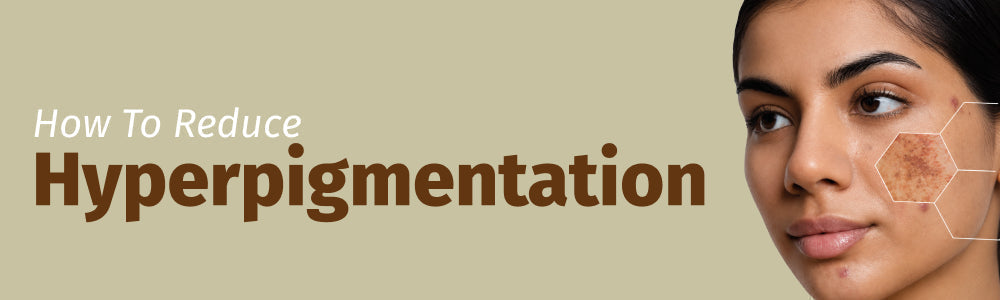
Ever noticed a dark patch left behind after a breakout, a few brown spots after spending too much time in the sun, or uneven areas of pigmentation that seem to appear out of nowhere? You're not alone. Hyperpigmentation is one of the most common skin concerns across different ages, skin tones and regions of the world.
But what is hyperpigmentation, exactly? Why does it happen, and can you really reduce it naturally?
The good news is that understanding the cause is the first step towards managing it. From sun exposure and acne to hormonal changes and skin irritation, several everyday factors can trigger excess melanin production. The right approach is less about trying to "erase" your natural skin tone and more about preventing excess pigmentation, supporting an even-looking complexion and giving your skin time to recover.
In this guide, we'll explain what causes hyperpigmentation, how to reduce it naturally, which skincare habits can help, and where a gentle brightening serum such as Vilvah Milk Drops Serum can fit into your routine.
Quick answer: Hyperpigmentation occurs when the skin produces or deposits excess melanin, causing certain areas to appear darker than the surrounding skin. Managing the trigger, protecting your skin from UV and visible light, keeping your routine gentle and using appropriate brightening ingredients can help reduce its appearance over time.
What is Hyperpigmentation?
Hyperpigmentation is a common skin concern where certain areas of the skin become darker than the surrounding skin due to increased or uneven melanin production or deposition.
Melanin is the pigment responsible for your skin, hair and eye colour. When melanocytes, the cells that produce melanin, become more active following triggers such as inflammation, UV exposure or hormonal changes, excess pigment can appear as spots, patches or uneven tone.
Hyperpigmentation can occur on any skin tone. However, it can be more noticeable and persistent in medium-to-deep skin tones, particularly when it develops after inflammation or injury.
Is Hyperpigmentation the same as Dark Spots?
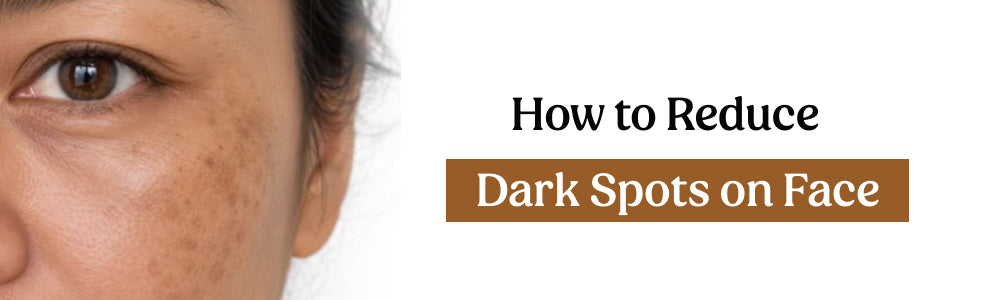
Not exactly. Dark spots are a visible symptom of pigmentation, while hyperpigmentation is the broader term used to describe excess or uneven pigmentation.
For example, a brown mark left behind after acne may be a form of post-inflammatory hyperpigmentation (PIH), while symmetrical patches on the cheeks, forehead or upper lip may be associated with melasma.
What Causes Hyperpigmentation?
Wondering what causes hyperpigmentation in the first place? Several internal and external factors can trigger excess melanin production.
1. Sun Exposure
UV exposure is one of the biggest contributors to pigmentation. Sunlight can stimulate melanin production and make existing dark spots appear darker.
Visible light may also worsen certain pigmentation conditions, particularly melasma and hyperpigmentation in darker skin tones.
This is why sun protection isn't just about preventing sunburn, it's an important part of managing uneven skin tone.
2. Acne and Skin Inflammation
That stubborn mark left behind after a pimple? It may be post-inflammatory hyperpigmentation.
When acne or another inflammatory skin condition heals, the resulting inflammation can trigger excess pigment. The breakout may disappear in days, but the pigmentation it leaves behind can take considerably longer to fade.
3. Hormonal Changes
Hormonal fluctuations can contribute to pigmentation conditions such as melasma. Pregnancy, hormonal medications and other changes can trigger or worsen melasma in some people.
4. Skin Injuries
Cuts, burns, insect bites and other forms of skin trauma can leave behind darker patches as the skin heals. Even picking or squeezing acne can increase inflammation and make post-acne pigmentation more likely.
5. Irritating Skincare Products
Sometimes, less really is more. Products that repeatedly burn, sting or irritate your skin can contribute to inflammation and potentially worsen pigmentation. Dermatologists commonly recommend choosing gentle products, particularly if your skin is pigmentation-prone.
How to Get Rid of Hyperpigmentation Naturally
If you're searching on how to naturally get rid of hyperpigmentation, it's important to clarify what "naturally" means.
It doesn't mean applying lemon juice, baking soda or other DIY ingredients to your face. These can irritate the skin and potentially make pigmentation worse.
A more skin-friendly natural approach means focusing on prevention, gentle skincare, sun protection and consistent use of suitable brightening ingredients.
1. Protect Your Skin From the Sun Every Day
If pigmentation is your concern, sunscreen is non-negotiable. Use a broad-spectrum sunscreen with at least SPF 30 every day and reapply when you're outdoors for extended periods. Hats, shade and protective clothing can provide additional protection.
For people prone to melasma or pigmentation, tinted sunscreens containing iron oxides may provide additional protection against visible light.
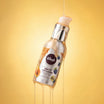
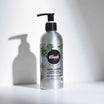
Think of sunscreen as your pigmentation prevention step Vilvah’s Skin Finish Sunscreen SPF 50+ could be an excellent addition to your AM routine, helping you prevent sun damage and pigmentation.
2. Keep Your Skincare Routine Gentle
Aggressive scrubs and excessive exfoliation aren't shortcuts to brighter skin.
If a product causes persistent burning or stinging, it may be irritating your skin. A gentle cleanser, moisturizer and targeted treatment can be a better foundation for a pigmentation-focused routine.
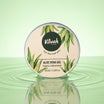
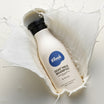
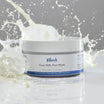
Vilvah’s Milk Powder Face Wash is an excellent, gentle cleanser that is made with natural rice milk and rice silk powder that buff dead skin and reveal a delicate glow everyday.
3. Choose Brightening Ingredients
Certain ingredients are commonly used in skincare routines designed to improve the appearance of uneven skin tone.
These include:
- Alpha arbutin
- Vitamin C
- Niacinamide
- Azelaic acid
- Kojic acid
- Retinoids
- Hydroxy acids
The right ingredient depends on your skin type, pigmentation concern and tolerance. For persistent pigmentation, a dermatologist can recommend the most appropriate treatment.
How Can a Brightening Serum Help With Hyperpigmentation?
A brightening serum can provide a targeted treatment step between cleansing and moisturizing. Rather than trying multiple strong actives at once, a thoughtfully formulated serum can combine ingredients designed to address pigmentation while also supporting hydration and the skin barrier.
Vilvah Milk Drops Serum for Hyperpigmentation
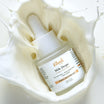
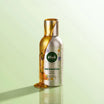
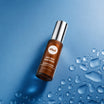
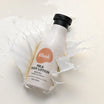
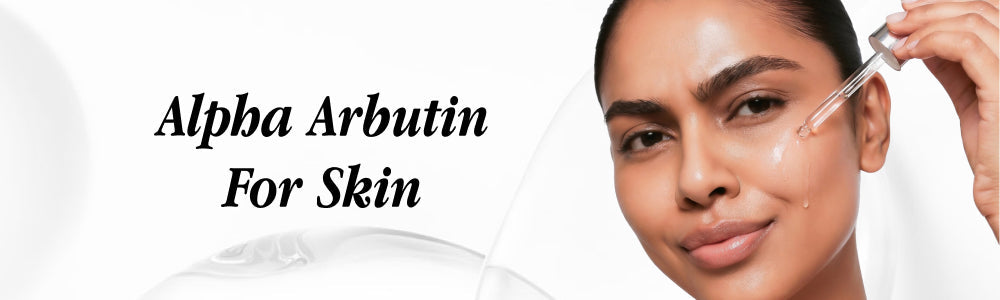
Vilvah Milk Drops Brightening Serum is formulated specifically around concerns such as hyperpigmentation, dark spots, acne marks and dull-looking skin. Its key ingredients include Alpha Arbutin, Rice Milk Extract, Marine Algae Extract and Hyaluronic Acid
According to Vilvah, Alpha Arbutin and marine algae extract are included to target excess melanin production and improve the appearance of uneven skin tone, while rice milk extract and hyaluronic acid provide brightening and hydration benefits.
The lightweight serum can be incorporated into an AM and PM routine. Vilvah recommends applying a few drops to clean, damp skin and allowing it to absorb before continuing with the rest of your routine.
The important distinction: brightening is not whitening. The goal of a good pigmentation routine is to help reduce the appearance of excess pigmentation and bring the complexion closer to a more even version of its natural tone, not change your natural skin colour.
A Simple Routine to Reduce Hyperpigmentation
You don't need a complicated 10-step routine to start.
Morning
1. Gentle Cleanser
Cleanse without stripping your skin. The Vilvah Milk Powder Face Wash can be an excellent addition to your routine. Made with papain enzyme and rice milk powder, it dissolves whiteheads, blackheads, clogged pores, and dead skin, giving you a brighter complexion.
2. Brightening Serum
Apply a few drops of Vilvah Milk Drops Serum to clean, damp skin as directed.
3. Moisturizer
Support your skin barrier with a moisturizer suited to your skin type.
4. Sunscreen
Finish with broad-spectrum SPF 30 or higher. We recommend the Vilvah Skin Finish Sunscreen SPF 50+ with 3 New-Gen UV Filters and brightening actives such as mulberry extract and brown algae extract that reduce pigmentation and protect from sun damage.
Evening
1. Cleanse
Remove makeup, sunscreen and daily buildup.
2. Brightening Serum
Apply your targeted serum consistently.
3. Moisturize
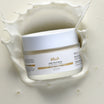
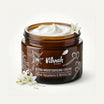
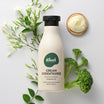
Keep your skin comfortable and hydrated. You could try the Vilvah Ultra Moisturizing Cream which has a rich texture and is perfect as the final step for your night routine. It contains olive squalene and white lily extract to hydrate, nourish, and repair damaged skin.
Consistency matters more than constantly adding new products.
How Long Does It Take to Reduce Hyperpigmentation?
If you're wondering how to eliminate hyperpigmentation, patience is an important part of the answer.
There is no universal timeline because pigmentation can vary in depth and cause. Once the trigger is controlled, some dark spots may gradually fade over several months. The American Academy of Dermatology notes that spots a few shades darker than your natural skin tone may take around 6-12 months to fade on their own, while deeper pigmentation can take considerably longer.
Skincare and professional treatments may help speed the process, but there is no reliable overnight fix. The key is to prevent new pigmentation while working on existing spots.
What Not to Do When Treating Hyperpigmentation
Trying to eliminate pigmentation quickly can sometimes make it worse.
Don't Use Lemon or Harsh DIY Remedies
Natural doesn't automatically mean skin-safe. Highly acidic or abrasive household ingredients can irritate the skin and potentially trigger more pigmentation.
Don't Over-Exfoliate
Using multiple exfoliating products together can compromise the skin barrier and increase irritation.
Don't Pick Acne
Picking can increase inflammation and skin injury, increasing the likelihood of post-inflammatory pigmentation.
Avoid Unregulated Skin-Lightening Products
Products promising instant whitening or dramatic colour changes may contain unsafe or undeclared ingredients. Choose products from reputable brands with transparent ingredient lists and appropriate testing.
Don't Skip Sunscreen
Even the best brightening routine can be undermined by ongoing UV exposure.
How to Prevent Hyperpigmentation From Coming Back
Once you've reduced the appearance of dark patches, prevention becomes just as important.
Wear Sunscreen Daily
Make SPF part of your routine, even on days when you're not planning to step out.
Treat Acne and Inflammation Early
Managing the underlying cause can help prevent new post-inflammatory marks from forming.
Avoid Unnecessary Irritation
Choose gentle products and don't overload your routine with multiple strong actives.
Don't Pick Your Skin
Allow breakouts and minor injuries to heal without unnecessary manipulation.
Maintain a Consistent Routine
Pigmentation management is a long-term process. A simple routine that you follow consistently is often more useful than an elaborate routine you abandon after a week.
When Should You See a Dermatologist?
Not every dark patch is simply cosmetic pigmentation. Consider consulting a dermatologist if pigmentation:
- Appears suddenly without an obvious trigger
- Changes in size, shape or colour
- Becomes painful, itchy or starts bleeding
- Keeps returning despite appropriate skincare
- Is widespread or rapidly worsening
- Is associated with other skin changes
A dermatologist can identify whether you're dealing with post-inflammatory hyperpigmentation, melasma or another skin condition and recommend appropriate treatment.
Conclusion: Healthy-Looking Skin Starts With Understanding Pigmentation
Understanding what is hyperpigmentation is the first step towards managing it. Whether your pigmentation comes from sun exposure, acne, inflammation, hormonal changes or irritation, identifying and addressing the trigger is more effective than simply trying to cover it up.
If you're wondering how to get rid of hyperpigmentation, start with the basics: protect your skin from UV and visible light, keep your routine gentle, avoid picking and irritation, and introduce evidence-supported brightening ingredients consistently.
A targeted serum can make this routine easier. Vilvah Milk Drops Serum, with Alpha Arbutin, Marine Algae Extract, Rice Milk Extract and Hyaluronic Acid, is designed to address hyperpigmentation, dark spots and uneven-looking skin while providing hydration.
Most importantly, remember that pigmentation isn't something your skin needs to hide. The goal isn't to erase your natural complexion, it's to support healthy, even-looking, radiant skin in its natural tone.
Frequently Asked Questions About Hyperpigmentation
What is hyperpigmentation?
Hyperpigmentation is a common skin concern where areas of the skin become darker than the surrounding skin due to increased or uneven melanin production or deposition.
What causes hyperpigmentation?
Common triggers include sun exposure, acne and inflammation, hormonal changes, skin injuries, certain medications and irritation from skincare products.
How do you get rid of hyperpigmentation naturally?
A gentle approach includes daily sunscreen, avoiding skin irritation, managing acne or inflammation, and using appropriate brightening ingredients consistently. Avoid harsh DIY remedies that can irritate the skin.
How can I eliminate hyperpigmentation quickly?
There is no guaranteed overnight solution. The fastest appropriate approach depends on the cause and may involve dermatologist-recommended treatments alongside sun protection and targeted skincare.
Can hyperpigmentation go away on its own?
Yes, some types can gradually fade once the underlying trigger is removed. However, the process can take months, and deeper pigmentation may persist much longer.
Does sunscreen help hyperpigmentation?
Yes. Sunscreen is an essential part of managing pigmentation because UV exposure can stimulate melanin production and darken existing pigmentation.
Can a brightening serum reduce hyperpigmentation?
A well-formulated brightening serum can help improve the appearance of uneven pigmentation over time, depending on its ingredients and the type of pigmentation. It should be used alongside daily sun protection.
Is Vilvah Milk Drops Serum suitable for hyperpigmentation?
Vilvah Milk Drops Brightening Serum is formulated to target hyperpigmentation, dark spots, acne marks and dull-looking skin. It contains Alpha Arbutin, Marine Algae Extract, Rice Milk Extract and Hyaluronic Acid.
Does reducing hyperpigmentation mean whitening the skin?
No. Brightening and whitening are not the same thing. A pigmentation-focused skincare routine should aim to reduce excess pigmentation and promote a more even-looking complexion while respecting your natural skin tone.




Leave a comment
This site is protected by hCaptcha and the hCaptcha Privacy Policy and Terms of Service apply.