












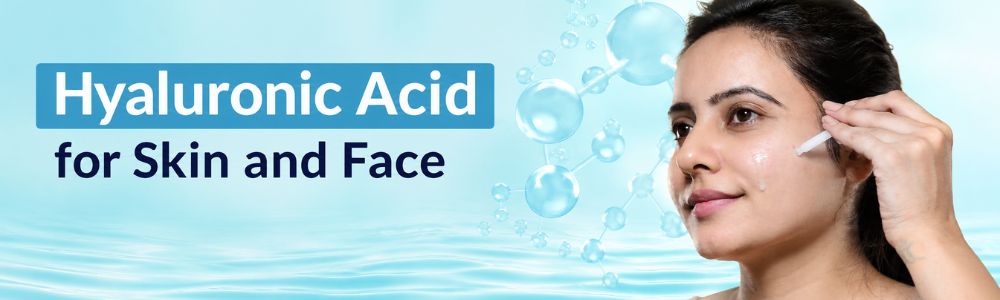
If you have ever searched for ingredients that can make your skin feel softer, smoother and more hydrated, chances are you have come across hyaluronic acid. It is one of the most widely used hydration-focused ingredients in modern skincare, and for good reason.
But what is hyaluronic acid, exactly? What does hyaluronic acid do for your skin? And are the benefits of a hyaluronic acid serum limited to people with dry skin?
The short answer: hyaluronic acid is primarily a humectant, meaning it helps attract and retain water. When used in a well-formulated skincare product, it can support skin hydration, improve the look of dryness and help skin appear smoother and more supple. Research on topical hyaluronic acid supports its role in improving skin hydration and overall skin quality.
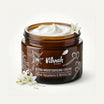
In this guide, we will break down the hyaluronic acid benefits for skin, how it works, who can use it, how to add it to your routine and how to pair hydration with brightening-focused ingredients. We will also explore how products such as Vilvah Milk Drops Serum and Milk Powder Face Wash containing hyaluronic acid can be included in your routine to boost hydration.
What Is Hyaluronic Acid?
Hyaluronic acid (HA) is a naturally occurring substance found in the human body, including the skin. It belongs to a group of molecules called glycosaminoglycans and plays an important role in maintaining the skin's hydration and structure.
One of its most useful skincare properties is its ability to bind water. Think of your skin as a sponge. When it has enough water, it generally looks smoother, softer and more supple. When it becomes dehydrated, it can look dull, tight, rough or more textured. Hyaluronic acid helps support that water content.
Is Hyaluronic Acid an Exfoliant?
No. Hyaluronic acid is not an exfoliating acid like glycolic acid, lactic acid or salicylic acid. Despite the word "acid" in its name, it is primarily used in skincare as a hydrating ingredient.
Is Hyaluronic Acid the Same as a Moisturiser?
Not exactly. Hyaluronic acid primarily works as a humectant, it helps attract and hold water. A moisturiser, meanwhile, can contain a combination of humectants, emollients and occlusive ingredients that help hydrate, soften and reduce water loss from the skin.
This is why hyaluronic acid is often included alongside other moisturising ingredients rather than being treated as the entire moisturising step.
What Does Hyaluronic Acid Do for Skin?
So, what does hyaluronic acid do?
Its primary role is to support skin hydration. By helping retain water, topical hyaluronic acid can make skin feel more hydrated and appear smoother and more supple. Clinical research has found improvements in hydration and other visible skin-quality measures with topical HA formulations. Here are some of the key benefits.
1. Helps Hydrate the Skin
This is the most well-known hyaluronic acid benefit for skin. As a humectant, HA attracts water and helps maintain hydration within the skin. This can be particularly useful when skin feels tight, dry or dehydrated.
Importantly, dehydration can affect almost any skin type, not only traditionally "dry" skin.
2. Makes Skin Feel Softer and Smoother
Dehydrated skin can make surface texture look more pronounced. Supporting hydration can help skin feel softer and look smoother. Research into topical HA has reported improvements in skin smoothness, plumping and hydration with continued use.
3. Gives Skin a Plumper Appearance
Well-hydrated skin can have a naturally fuller, more supple appearance. This does not mean topical hyaluronic acid works like an injectable dermal filler. Instead, hydration can temporarily improve the appearance of skin texture and fine dehydration lines.
4. Helps Reduce the Look of Dehydration Lines
When skin lacks adequate water, fine lines can sometimes appear more noticeable. By supporting hydration, HA can help create a smoother-looking surface. It is therefore commonly included in skincare formulated for skin that looks dry, tired or dehydrated.
5. Supports Skin That Looks Healthy and Supple
Skin hydration is closely linked to how skin looks and feels. Research describes hyaluronic acid as an important component of the skin's extracellular matrix and highlights its role in hydration, elasticity and skin structure.
Hyaluronic Acid Serum Benefits: Why Is It So Popular?
A hyaluronic acid serum is one of the simplest ways to add a dedicated hydration-focused step to a skincare routine.
Serums are typically formulated to deliver a concentrated blend of ingredients in a lightweight texture. Depending on the formulation, HA can be combined with other humectants, antioxidants, botanical ingredients or skin-supporting actives.
What are the Benefits of Using Hyaluronic Acid Serum?
The main benefits include:
- Supporting skin hydration
- Helping skin feel softer and smoother
- Improving the appearance of dehydration
- Helping skin look more supple and plump
- Complementing other skincare ingredients
- Supporting a comfortable skin barrier environment
However, the ingredient list is only part of the story. The overall formulation matters too. Molecular weight, concentration, the supporting ingredients and the vehicle can influence how a topical HA product performs. Research has examined different molecular forms and delivery systems of HA because they can behave differently on and within the skin.
How Does Hyaluronic Acid Work?
The science sounds complicated, but the basic idea is quite simple.
Hyaluronic acid is highly hydrophilic, meaning it has an affinity for water. When applied topically, HA can help hydrate the outer layers of the skin by binding water. This is why it is called a humectant.
Does Hyaluronic Acid Penetrate the Skin?
This is where things get more nuanced. Not all hyaluronic acid molecules behave in exactly the same way. Their molecular size and formulation can affect how they interact with the skin. Research suggests that certain lower-molecular-weight forms can penetrate further than larger forms, while topical HA as a whole is well established as a hydration-focused cosmetic ingredient.
So, rather than asking whether "hyaluronic acid penetrates the skin" as a simple yes-or-no question, it is more accurate to consider which form of HA is being used and how the product is formulated.
Who Can Use Hyaluronic Acid?
One of the reasons HA is so popular globally is its versatility. It can be useful for:
Dry Skin
If your skin frequently feels tight, rough or flaky, a hydration-focused product containing HA can be a useful addition.
Dehydrated Skin
Dryness and dehydration are not exactly the same thing. Dry skin generally refers to a skin type that lacks oil, while dehydrated skin refers to a lack of water. Even oily skin can become dehydrated.
Oily or Combination Skin
If you have oily or combination skin, hydration does not automatically mean adding a heavy layer of oil. Lightweight humectant-based formulas can provide hydration without necessarily feeling rich or greasy.
Mature Skin
As skin ages, changes in hydration, elasticity and the extracellular matrix can contribute to visible dryness and lines. HA is therefore frequently included in skincare designed to support smoother, more hydrated-looking mature skin.
Sensitive Skin
Hyaluronic acid itself is generally considered a well-tolerated skincare ingredient, but the complete formula matters. If your skin is sensitive, look beyond the hero ingredient and consider the entire ingredient list and your personal tolerance.
How to Use Hyaluronic Acid in a Skincare Routine
Adding HA to your routine does not have to be complicated. A simple routine could look like:
Step 1: Cleanse
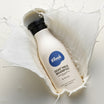
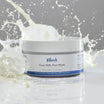
Start with a gentle cleanser to remove sweat, excess oil, sunscreen and daily buildup. For example, Vilvah Milk Powder Face Wash uses a powder-to-foam format and combines fermented rice milk, rice silk and rice husk powder with hyaluronic acid and papain.
The idea is simple: cleanse without making hydration an afterthought.
Step 2: Apply Your Hydration or Treatment Serum
If your serum contains hyaluronic acid, apply it according to the product's directions. If your main concern is dehydration, HA can be a useful hydration-focused active. If your concern is pigmentation, dark spots or acne marks, look for a formulation that combines hydration with targeted brightening ingredients.
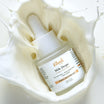
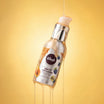
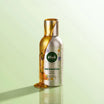
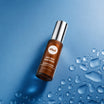
This is where Vilvah Milk Drops Brightening Serum fits into a broader skincare routine. It combines rice milk, alpha arbutin, marine algae and hyaluronic acid to focus on concerns including dark spots, acne marks and uneven-looking skin while supporting hydration.
Step 3: Moisturise
Follow with a moisturiser suited to your skin type. This helps create a complete hydration routine rather than relying on a single humectant.
Step 4: Wear Sunscreen During the Day
A broad-spectrum sunscreen is an important daytime step, particularly when your routine includes products targeting visible pigmentation and uneven skin tone.
Can You Use Hyaluronic Acid Every Day?
For most people, yes. Hyaluronic acid is commonly used in daily skincare routines, including both morning and evening routines, depending on the product instructions.
The key is not simply how often you use HA, but whether the entire routine works comfortably for your skin. If you are introducing a new product, start according to its recommended usage and pay attention to how your skin responds.
Can You Use Hyaluronic Acid With Other Skincare Ingredients?
Absolutely. One of HA's biggest advantages is that it can complement many different skincare routines.
Hyaluronic Acid + Alpha Arbutin
This combination can make sense when your routine focuses on both hydration and the appearance of pigmentation. For example, Vilvah Milk Drops combines hyaluronic acid with alpha arbutin, rice milk and marine algae in a brightening-focused serum.
Hyaluronic Acid + Niacinamide
Niacinamide is a versatile skincare ingredient known for supporting the skin barrier, improving the appearance of uneven skin tone and helping manage excess oil. Hyaluronic acid complements it by providing hydration and helping skin feel softer and more supple.
Together, they make a well-rounded combination for skin that needs hydration, barrier support and a more balanced, healthy-looking appearance.
Hyaluronic Acid + Ceramides
Ceramides help support the skin barrier and reduce moisture loss, while hyaluronic acid attracts and retains water to keep skin hydrated. Together, they make a gentle combination for skin that feels dry, tight or dehydrated, helping it feel more comfortable, soft and supple.
Hyaluronic Acid + Exfoliating Acids
Ingredients such as AHAs and BHAs serve different purposes from HA. An exfoliating acid works on exfoliation, while hyaluronic acid primarily supports hydration. They can therefore occupy different roles in the same routine.
Hyaluronic Acid vs. Hyaluronic Acid Serum: What's the Difference?
This is an easy one to confuse.
- Hyaluronic acid is the ingredient.
- A hyaluronic acid serum is the finished skincare product containing that ingredient alongside other components.
That distinction matters because skincare results depend on the entire formulation, not just one ingredient printed on the front of the bottle.
A good serum should be evaluated based on its complete ingredient list, texture, concentration, supporting ingredients and how it fits into your routine.
Does Hyaluronic Acid Brighten Skin?
This is an important distinction. Hyaluronic acid is primarily a hydrating ingredient, not a traditional pigmentation-targeting active. However, well-hydrated skin can look smoother, fresher and more radiant because dehydration can contribute to a dull, rough appearance.
If your goal is specifically to address dark spots, acne marks or uneven-looking pigmentation, consider pairing hydration with targeted ingredients. For example, Vilvah Milk Drops combines alpha arbutin with rice milk, marine algae and hyaluronic acid, making it a more targeted choice for a routine focused on brighter-looking, more even-toned skin.
How the Vilvah Face Brightening Combo Brings These Steps Together
If you are looking for a simple hydration + brightening routine, the Vilvah Face Brightening Kit brings together two complementary steps:
Milk Powder Face Wash
A powder-to-foam cleanser with fermented rice milk, rice silk, rice husk powder, hyaluronic acid and papain.
Milk Drops Brightening Serum
A treatment serum featuring rice milk, alpha arbutin, marine algae and hyaluronic acid, designed around concerns such as dark spots, acne marks and pigmentation.
The logic is straightforward: Cleanse → Hydrate + Target → Moisturise → Protect
Rather than treating skincare as a race to add more products, a focused routine can help you give each product a clear job.
The Bottom Line: Is Hyaluronic Acid Worth Adding to Your Routine?
So, what does hyaluronic acid do? It helps your skin hold onto hydration, and that simple function can make a noticeable difference to how skin feels and looks. The biggest hyaluronic acid benefits for skin are centred around hydration, softness, smoothness and a more supple appearance. Research supports topical HA as a useful ingredient for improving skin hydration and overall skin quality.
But skincare works best when ingredients have complementary roles. If hydration is your priority, look for a well-formulated product containing hyaluronic acid. If your concerns extend to dark spots, acne marks or uneven-looking pigmentation, consider combining hydration with targeted brightening ingredients.
For a simple routine, the Vilvah Milk Powder Face Wash + Milk Drops Brightening Serum combination brings cleansing, hydration and brightening-focused care into two straightforward steps. Because healthy-looking skin isn't about chasing every trending ingredient. Sometimes, it is about understanding what an ingredient actually does, and choosing products that make sense for your skin.
Frequently Asked Questions About Hyaluronic Acid
1. What is hyaluronic acid?
Hyaluronic acid is a naturally occurring molecule found in the body, including the skin. In skincare, it is primarily used as a humectant to help support skin hydration.
2. What does hyaluronic acid do?
Hyaluronic acid helps attract and retain water, supporting hydrated, softer and smoother-looking skin. Research supports its use as a topical hydration-focused ingredient.
3. What are the main hyaluronic acid benefits for skin?
The main benefits include supporting hydration, improving the feel of dryness, helping skin appear smoother and more supple, and reducing the visible effects of dehydration.
4. What are the benefits of hyaluronic acid serum?
Hyaluronic acid serum benefits mainly centre around hydration. Depending on the formulation, a serum can also combine HA with ingredients targeting concerns such as pigmentation, uneven tone or signs of ageing.
5. Is hyaluronic acid suitable for oily skin?
Yes. Oily skin can still be dehydrated. A lightweight, well-formulated HA product can provide hydration without necessarily adding a heavy or oily feel.
6. Can hyaluronic acid help with wrinkles?
Hydration can make fine dehydration lines appear less noticeable and give skin a smoother, more supple appearance. However, topical HA should not be confused with injectable fillers, and it cannot stop the natural ageing process.
7. Can I use hyaluronic acid every day?
For most people, yes. HA is commonly incorporated into daily skincare routines. Follow the usage instructions for your specific product and consider your skin's individual needs.
8. Does hyaluronic acid exfoliate skin?
No. Hyaluronic acid is primarily a hydrating humectant. It does not work like exfoliating acids such as AHAs or BHAs.
9. Is hyaluronic acid good for sensitive skin?
HA is generally well tolerated in topical skincare, but sensitivity depends on the entire formula and the individual. If your skin is reactive, patch testing a new product and introducing it gradually can be sensible.




Leave a comment
This site is protected by hCaptcha and the hCaptcha Privacy Policy and Terms of Service apply.