











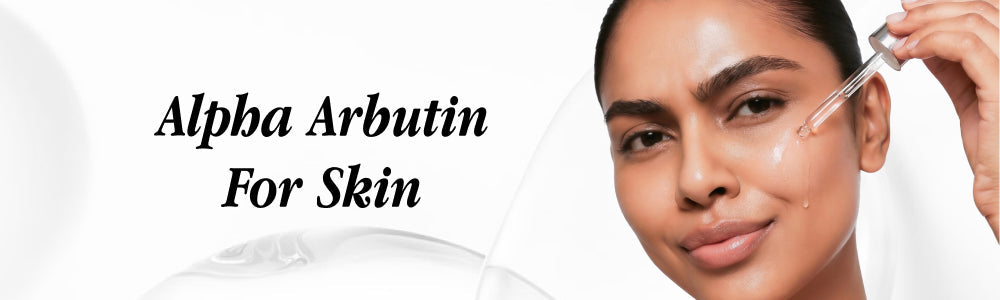
Dark spots, post-acne marks and uneven skin tone can be frustrating, especially when your skin seems to hold on to pigmentation long after a breakout or sun exposure has passed. This is where targeted brightening ingredients such as alpha arbutin have become increasingly popular in skincare routines around the world.
But what is alpha arbutin, exactly? What does it do to the skin, and is an alpha arbutin serum worth adding to your routine?
Alpha arbutin is a skin-brightening ingredient that has been studied for its ability to influence melanin production through its effect on tyrosinase, an enzyme involved in melanin synthesis. This makes it particularly interesting for concerns such as dark spots and uneven pigmentation.
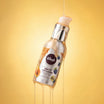
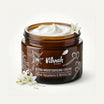
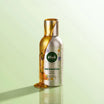
In this guide, we'll explore alpha arbutin benefits, explain what does alpha arbutin do, how to use it, what to pair it with, and how it can fit into a simple brightening routine. We'll also look at Vilvah Milk Drops Brightening Serum, which combines alpha arbutin with rice milk extract, marine algae extract and hyaluronic acid.
What Is Alpha Arbutin?
Alpha arbutin is a brightening skincare ingredient derived from arbutin, a naturally occurring compound found in certain plants.
It is the alpha isomer of arbutin and is used in cosmetic formulations designed to address the appearance of pigmentation and uneven skin tone.
One reason alpha arbutin is widely used in brightening products is its relationship with tyrosinase, an enzyme that plays an important role in the production of melanin.
Rather than thinking of alpha arbutin as a "skin whitening" ingredient, it's more useful to think of it as a pigmentation-targeting and skin-brightening active
The goal is to help reduce the appearance of excess pigmentation while allowing your natural complexion to remain your natural complexion.
Alpha Arbutin vs Arbutin: Are They the Same?
Not quite.
Arbutin exists in different forms, including alpha-arbutin and beta-arbutin. Research suggests that alpha-arbutin has stronger tyrosinase-inhibiting activity than naturally occurring arbutin in certain experimental settings.
That's one reason alpha arbutin has become a popular ingredient in modern brightening formulations.
What Does Alpha Arbutin Do to Your Skin?
So, what does alpha arbutin do? In simple terms, alpha arbutin is used to help reduce excess pigmentation and improve the appearance of uneven skin tone
It works primarily by inhibiting tyrosinase activity, which can reduce melanin synthesis. Studies in cell and skin models have demonstrated reductions in melanin production following alpha-arbutin treatment.
Here's what that can mean for your skin:
- Helps reduce the appearance of dark spots
- Helps fade the look of post-acne marks
- Supports a more even-looking skin tone
- Helps address excess pigmentation
- Can contribute to a brighter-looking complexion
It's important to remember that skincare results depend on factors such as concentration, formulation, consistency and the cause of pigmentation. Laboratory evidence doesn't automatically translate into identical results for every person.
Alpha Arbutin Benefits: Why Is It Popular in Skincare?
The growing popularity of alpha arbutin comes down to its targeted approach to pigmentation.
1. Helps Reduce the Appearance of Dark Spots
One of the most recognised alpha arbutin benefits is its ability to target the biological pathway involved in melanin production.
This makes it particularly relevant for visible pigmentation such as sun spots and post-inflammatory marks.
2. Helps Improve Uneven Skin Tone
When excess melanin is distributed unevenly, the complexion can appear patchy or uneven.
By targeting excess pigmentation, alpha arbutin can be incorporated into routines designed to create a more even-looking complexion.
3. Supports Brighter-Looking Skin
Alpha arbutin isn't about changing your natural skin colour. Instead, reducing the appearance of excess pigmentation can make the complexion look clearer and brighter.
4. Useful for Post-Acne Marks
A pimple may disappear, but the pigmentation it leaves behind can sometimes stay much longer.
Because post-inflammatory hyperpigmentation involves increased pigmentation following inflammation or injury, ingredients that target melanin production can form part of a pigmentation-focused routine.
5. Can Be Used in Targeted Serums
Alpha arbutin is particularly common in leave-on formulations such as serums, allowing the ingredient to become a dedicated step in a brightening routine.
Alpha Arbutin Serum Benefits: Why Choose a Serum?
If you're specifically looking for alpha arbutin serum benefits, the biggest advantage is that a serum can make alpha arbutin the focus of a targeted skincare step.
Unlike a cleanser that is quickly rinsed away, a leave-on serum stays on the skin after application.
An Alpha Arbutin Serum Can Help You:
Target specific pigmentation concerns: A serum can be formulated specifically around concerns such as dark spots, post-acne marks and uneven tone.
Build a consistent routine: Using a serum at the same point in your AM or PM routine makes it easier to stay consistent.
Combine complementary ingredients: Modern formulations often pair alpha arbutin with hydrating or antioxidant ingredients to create a more complete skincare experience.
How Does Alpha Arbutin Help With Hyperpigmentation?
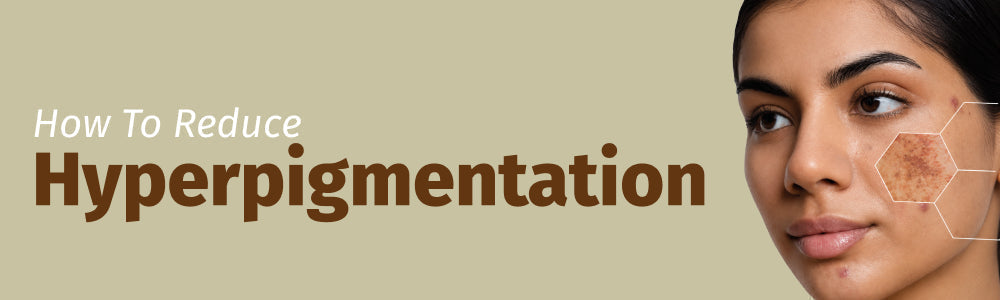
Hyperpigmentation happens when areas of skin produce or accumulate more melanin than surrounding areas.
Tyrosinase is an important enzyme in the melanin-production pathway, which is why tyrosinase inhibition has long been explored as an approach to pigmentation management.
Alpha arbutin interacts with this pathway and can inhibit tyrosinase activity, which may help reduce melanin synthesis.
However, pigmentation is complex.
Sun exposure, acne and inflammation, hormones, skin injuries and certain medications can all contribute to pigmentation. Treating the visible spot without addressing the trigger can therefore limit results.
This is why a complete routine matters:
Identify the trigger → protect your skin → use targeted actives → stay consistent.
Alpha Arbutin for Dark Spots: Does It Work?
Alpha arbutin is commonly used in skincare products designed to improve the appearance of dark spots.
Research has demonstrated its effects on melanin synthesis in experimental models, while reviews describe arbutin as a promising depigmenting ingredient. However, researchers also note the need for stronger, larger clinical studies to establish efficacy and safety across different formulations and populations.
So, if you're using alpha arbutin for dark spots, think consistent, gradual improvement, rather than an overnight transformation.
Alpha Arbutin for Acne Marks
Acne doesn't always leave the skin when the breakout disappears.
Inflammation can trigger post-inflammatory hyperpigmentation, leaving brown, grey-brown or darker marks behind depending on your skin tone.
Alpha arbutin can be useful in a pigmentation-focused routine because it targets melanin production rather than treating the acne itself.
Remember the distinction:
- Alpha arbutin → targets the appearance of pigmentation
- Acne treatment → targets active breakouts
If you're dealing with frequent or severe acne, treating the underlying acne is just as important as addressing the marks it leaves behind.
How to Use Alpha Arbutin in Your Skincare Routine
An alpha arbutin serum is generally easy to incorporate into a routine.
Step 1: Cleanse
Start with a gentle cleanser suited to your skin type. An acne-clearing face wash such as the Vilvah Milk Powder Face Wash can be an excellent cleanser for oily, acne-prone skin.
Step 2: Apply Your Alpha Arbutin Serum
Apply a few drops to clean skin, following the instructions provided with your specific product.
Step 3: Moisturise
Follow with a moisturiser to support your skin barrier.
Step 4: Wear Sunscreen in the Morning
This step is particularly important when you're working on pigmentation.
UV exposure can stimulate melanin production and contribute to persistent pigmentation. A broad-spectrum sunscreen is therefore an important part of any brightening routine. Try the Vilvah Skin Finish Sunscreen SPF 50+ to shield your skin from sun damage while also brightening pigmented skin with natural actives.
Can Alpha Arbutin Be Used Every Day?
Alpha arbutin can be used regularly in skincare when formulated appropriately and tolerated by your skin.
The exact frequency depends on the formulation and the rest of your routine.
For example, Vilvah recommends using its Milk Drops Brightening Serum morning and night, daily, applying a few drops to clean, damp skin.
If you're new to any active ingredient, introducing it gradually and monitoring how your skin responds is a sensible approach.
What Can You Use With Alpha Arbutin?
One of the advantages of alpha arbutin is that it can fit into a broader brightening and barrier-supporting routine.
Alpha Arbutin + Hyaluronic Acid
This combination pairs pigmentation care with hydration.
Hyaluronic acid helps attract and retain water in the skin, making it a useful supporting ingredient in a brightening serum. Vilvah Milk Drops Serum combines hyaluronic acid with alpha arbutin for long-lasting hydration and even-toned complexion.
Alpha Arbutin + Niacinamide
These ingredients can complement each other in a routine focused on uneven tone and barrier support.
However, you don't need to use multiple pigmentation actives at once. A simpler routine is often easier to maintain and less likely to overwhelm sensitive skin.
Alpha Arbutin + Sunscreen
This may be the most important pairing of all.
If you're trying to reduce the appearance of pigmentation, daily sun protection helps minimise ongoing UV exposure that can stimulate pigmentation. Vilvah’s Skin Finish Sunscreen SPF 50+ helps fade sun spots and clears the overall complexion.
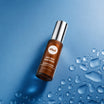
Alpha Arbutin in Vilvah Milk Drops Brightening Serum
If you're looking for a formulation that combines alpha arbutin with hydrating and skin-supporting ingredients, Vilvah Milk Drops Brightening Serum is designed around this approach.
The formula combines:
- Alpha Arbutin - targeted toward hyperpigmentation and dark spots
- Rice Milk Extract - used for brightening and hydration
- Marine Algae Extract - used to support a more even-looking skin tone
- Hyaluronic Acid - helps hydrate the skin
Vilvah positions the serum for concerns including dark spots, hyperpigmentation, dull skin, scarring and fine lines and wrinkles. All you need to do is apply a few drops to clean, damp skin in the morning and evening.
Vilvah Milk Drops is fragrance-free, non-comedogenic and non-irritant, and it is suitable for beginners and teenagers.
Why the Combination Makes Sense
Pigmentation-focused skincare doesn't have to mean using a long list of strong actives.
A formula that combines a targeted brightening ingredient such as alpha arbutin with hydrating ingredients can make the routine easier to follow consistently.
That's the thinking behind the Milk Drops formulation: target pigmentation while keeping hydration part of the routine.
Does Alpha Arbutin Whiten Skin?
No skincare ingredient should be framed as a way to change your natural skin colour.
Alpha arbutin is better understood as a pigmentation-targeting ingredient that can help reduce the appearance of excess pigmentation and create a more even-looking complexion.
Vilvah similarly describes Milk Drops as a brightening product that targets dark spots and uneven pigmentation rather than drastically changing someone's natural skin tone.
The goal of good brightening skincare should be healthier-looking, more even skin - not erasing your natural complexion.
Is Alpha Arbutin Safe for Skin?
Alpha arbutin has a history of cosmetic use and research into its depigmenting properties. Reviews describe it as a promising ingredient, while also noting that more high-quality clinical research is needed.
As with any active skincare ingredient, individual tolerance can vary.
Keep these points in mind:
- Patch test new products if you're prone to sensitivity.
- Follow the product's recommended usage.
- Don't assume a higher concentration automatically means better results.
- Avoid combining too many strong actives simply because you're treating pigmentation.
- Use sunscreen consistently during the day.
If you have persistent melasma, significant pigmentation or a changing dark spot, a dermatologist can help determine the underlying cause and recommend appropriate treatment.
How Long Does Alpha Arbutin Take to Work?
There isn't one universal timeline for alpha arbutin.
Results depend on the cause and depth of pigmentation, your skin type, the formulation you're using and how consistently you apply it.
Some cosmetic products make visible-results claims within a few weeks. For example, Vilvah states that Milk Drops can show visible results in four weeks with regular use, although this is not a guaranteed timeline for alpha arbutin in every product.
The better approach is to take progress photos under similar lighting and give your routine enough time to work before constantly switching products.
What Should You Avoid When Using Alpha Arbutin?
More isn't always more when it comes to pigmentation.
Avoid Over-Exfoliating
Using several exfoliating acids alongside multiple brightening ingredients can irritate the skin and potentially make pigmentation appear worse.
Don't Skip Sunscreen
A brightening routine without sun protection is working against an important part of the pigmentation cycle.
Don't Use Harsh DIY Remedies
Lemon juice, baking soda and other viral DIY "brightening" treatments can irritate the skin. Natural does not automatically mean gentle or safe.
Don't Expect Overnight Results
Pigmentation develops for different reasons and can take time to improve. Consistency matters more than constantly changing products.
Final Thoughts: Is Alpha Arbutin Worth Adding to Your Routine?
So, what is alpha arbutin really good for? Think of it as a targeted brightening ingredient for people who want to address dark spots, post-acne marks and uneven pigmentation without trying to change their natural skin colour.
Its ability to influence tyrosinase and melanin production is what makes it particularly interesting for pigmentation-focused skincare, although the strength of evidence varies between laboratory studies and real-world formulations.
If you want to make alpha arbutin part of a simple routine, Vilvah Milk Drops Brightening Serum combines alpha arbutin with rice milk extract, marine algae extract and hyaluronic acid in a single leave-on formula. The brand recommends using it morning and night and positions it for dark spots, hyperpigmentation and dull-looking skin.
Ultimately, brighter-looking skin isn't about changing who you are or the skin tone you were born with. It's about caring for your skin, supporting an even-looking complexion and letting your natural skin look like its best, healthiest version.
Frequently Asked Questions
1. What is alpha arbutin?
Alpha arbutin is a skin-brightening ingredient derived from arbutin that is used to reduce the appearance of excess pigmentation and uneven skin tone. It works primarily by inhibiting tyrosinase activity involved in melanin production.
2. What does alpha arbutin do?
Alpha arbutin helps target melanin production, making it useful in skincare routines designed to reduce the appearance of dark spots, post-acne marks and uneven pigmentation.
3. What are the benefits of alpha arbutin?
The main alpha arbutin benefits include helping reduce the appearance of dark spots, supporting a more even-looking skin tone and brightening the appearance of dull or pigmented skin.
4. Can alpha arbutin remove dark spots?
Alpha arbutin can help reduce the appearance of dark spots by influencing melanin production. However, results vary depending on the cause and depth of pigmentation, the formulation and consistent use.
5. Can alpha arbutin be used every day?
Yes, appropriately formulated alpha arbutin products can be used regularly. Always follow the specific product's directions. Vilvah recommends using Milk Drops Brightening Serum twice daily.
6. Is alpha arbutin good for acne marks?
It can be useful for post-acne pigmentation because it targets melanin production. However, alpha arbutin does not treat active acne itself.
7. Can I use alpha arbutin with hyaluronic acid?
Yes. Alpha arbutin and hyaluronic acid can be combined in the same routine. In fact, Vilvah Milk Drops combines both ingredients in one formulation.
8. Does alpha arbutin make skin sensitive to the sun?
Alpha arbutin is not generally considered a photosensitising ingredient in the way some exfoliating or retinoid products can be. However, sunscreen remains important because UV exposure can worsen pigmentation and undermine brightening efforts.





Leave a comment
This site is protected by hCaptcha and the hCaptcha Privacy Policy and Terms of Service apply.